

All Countries
AvailableWhatsApp accounts
- All countries available
- Name the country when you order
- Contact us to buy
WhatsApp Accounts
WhatsApp accounts from all countries are available.
AvailableWhatsApp accounts
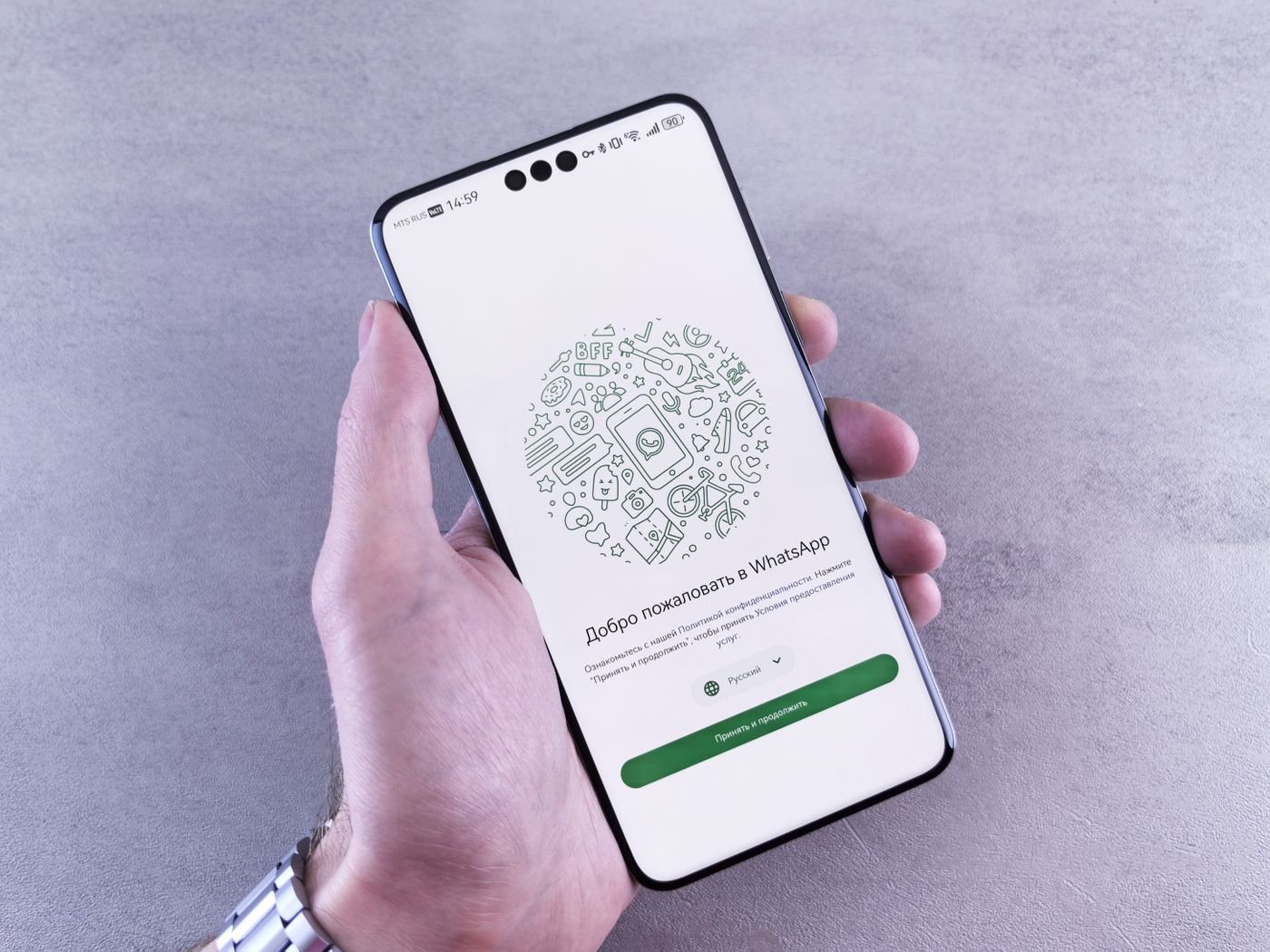
A customer can ask about price, size, stock, or delivery and get the answer on the same phone they already use. Photos, voice notes, and location pins sit in that thread, so the details are easy to find later.
Order updates are simpler too. A shop can tell a buyer when an item is packed, when it has shipped, or when a payment has been received, without building a separate chat tool.
Support stays personal. A short reply about a missing item or a change of address often solves the problem faster than a long email chain. Customers tend to notice a message on WhatsApp sooner than one sitting in an inbox.
A business can also share useful updates with people who have already chosen to hear from them, such as a new arrival, a restock, or a change in store hours. The conversation stays with customers who already know the brand.
For a small team, one WhatsApp Business account can cover sales questions and basic support in the same place. That makes it easier to keep a record of what was promised and what was sent.
WhatsApp is already on the phones of the people a shop wants to reach. That is the practical reason businesses use it. A customer does not need a new app, a new password, or a ticket number. They send a message the same way they message a friend, and the business answers in that same chat.
Email still matters for long documents, but a lot of buying questions are short. Is this size in stock? Can you deliver tomorrow? What is the price for two? Those questions move faster in a chat that the customer already checks. A reply can include a photo of the item, a voice note, or a location pin without building a separate support site.
WhatsApp Business is the version meant for that work. It keeps the business chat apart from a personal account, and the profile can show the business name, a short description, hours, and a catalog. A customer sees who they are talking to before the first reply lands.
A sales chat on WhatsApp usually starts with one product question. The useful reply names the item, the price, and the next step. If there are colors or sizes, list only the ones you actually have. A photo from the same batch the customer would receive is better than a vague description.
The catalog on a business profile gives people a place to look before they type. They can point at a product instead of describing it from memory. You can still talk through the details: delivery area, payment method, and how long packing takes. The chat then holds the agreement in one thread, which is easier to reread than a chain of emails.
Once someone decides to buy, the same chat can carry the order. Confirm the item, the quantity, the address, and the amount. Later messages can say when it is packed, when it has left, and when it should arrive. Customers notice those updates because they already live in WhatsApp. You do not need a separate tracking page for a small shop, as long as the messages are specific and true.
Payment talk should stay clear. Say which methods you accept and wait for the customer to send proof through the channel you trust. Do not ask people to share card numbers or passwords inside a casual chat. Product details and order status belong in the thread. Private payment data belongs in a proper payment step.
Many support problems are small. A wrong size, a late parcel, a missing part, or a question about how to use something. A short WhatsApp reply often solves them. Ask one clear question if you need a photo or an order number, then answer with the real policy of the shop.
Voice notes help when a typed explanation would be long, and a photo helps when the customer needs to see a label or a screen. The history stays in the chat, so the next person on your team can read what was already promised. That is why one business account, used on purpose, is easier to manage than several personal numbers answering the same customers.
WhatsApp is also a place for news the customer chose to hear: a restock, a change in hours, or a new arrival. Keep those messages useful and occasional. A chat that is only advertisements gets ignored. A chat that answers real questions and sometimes shares a relevant update stays open.
Buyers notice the country of a number. A shop that sells in one market often wants a WhatsApp account from that country so the chat looks local and the customer can save it like any other local contact. Another shop sells across borders and needs a different country for a different group of buyers. That is why country is part of the order, not a minor detail.
WhatsApp accounts from all countries are available. When you contact us, name the country and the quantity. If you need more than one country, list them. We confirm what is ready and which payment methods you can use before you pay. The number you receive is the number customers will message, so it should match the market you described.
A personal WhatsApp is for friends and family. A business account is for customers. Mixing them leads to missed orders and private chats sitting next to sales. Use the business profile for the shop name, hours, and catalog, and keep personal conversations on a different number. New staff should learn where orders are confirmed so two people do not promise two different delivery dates in the same thread.
Check the chat at set times if you cannot watch it all day, and say those hours on the profile. Answer the oldest unanswered customer first. Repeat the order back before you take payment so the item, quantity, and address are not a guess. Save photos of what you shipped if a dispute is likely.
If a message is not clear, ask a short question instead of assuming. If you cannot fulfill an order, say so early. A plain answer keeps the customer, even when the answer is no. Over time the same account becomes the record of what you sell, what you promised, and what you still owe a reply.
Good business chats are specific. Name the product, the price, and the delivery window in the same message when you can. If something is out of stock, offer the closest item you do have, or say when it returns. Customers trust a number that answers like a shop, not a number that disappears for days and then sends a blanket promotion.
Keep the country of the account aligned with the buyers you named in the order. A local number is easier for them to save and easier for you to recognize in your own phone book. When you are ready to buy, send the country, the quantity, and any second country you also need. We confirm availability and payment, then the account is yours to use for the business conversations above.
Different customers message from different places. A shop may need a number that matches the country where its buyers live, so the chat feels local and the account is ready for that market.
Tell us the country you need and how many accounts you want. We will confirm what is available and share the payment methods.
WhatsApp accounts from all countries are available. To buy, contact SocialWorldHub on WhatsApp +923091774508, kamranqd786@gmail.com, or Telegram @Accountsdrop777.